

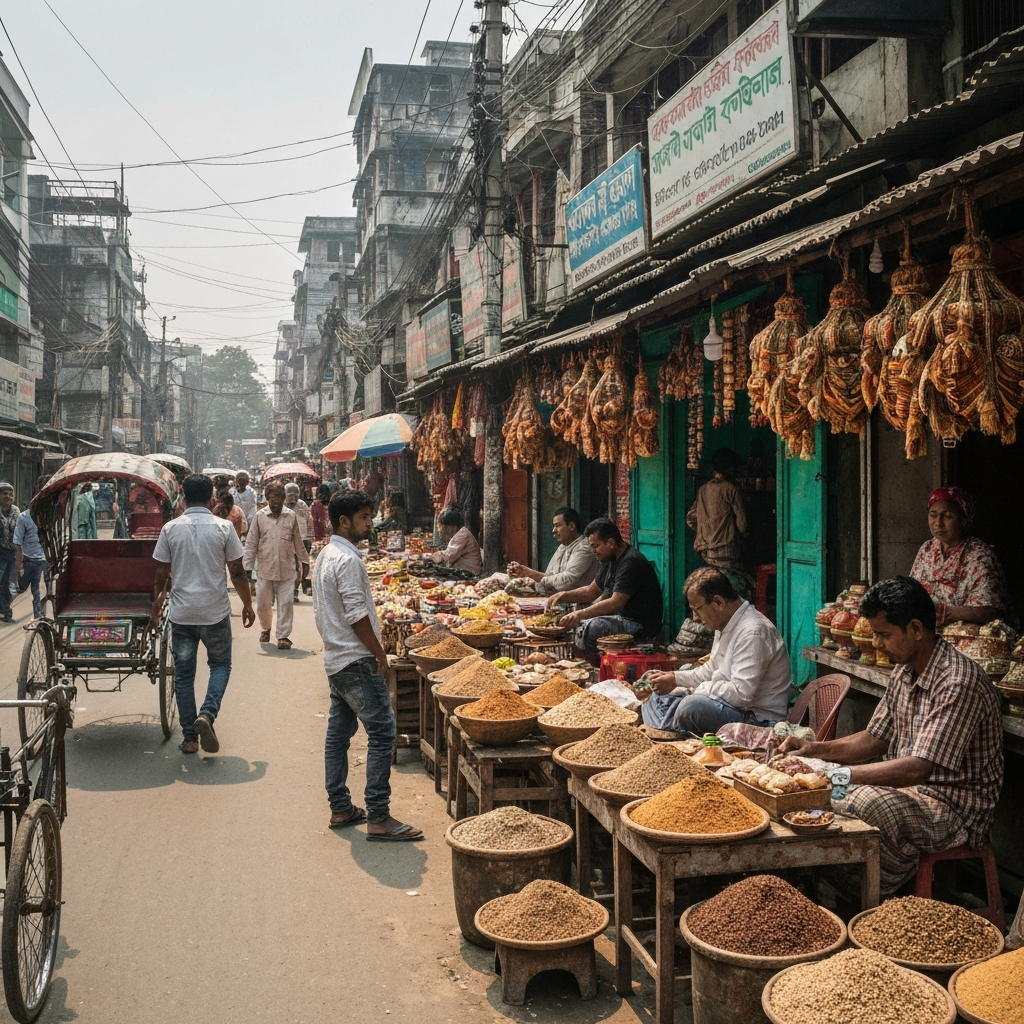
Dhaka’s economic landscape has undergone a remarkable transformation over the past decade, with micro and cottage industries playing a pivotal role in this evolution. According to the Economic Census 2024 released by the Bangladesh Bureau of Statistics (BBS), the total number of economic units in the country surged from 7.8 million in 2013 to 11.7 million in 2024, marking a growth of 49.68%. This substantial increase underscores the expansion and diversification of economic activities across both urban and rural areas.
Growth Across Urban and Rural Areas
The census data reveals that in 2024, rural regions accounted for approximately 7.38 million economic units, up from 5.59 million in 2013. Urban areas also experienced significant growth, with units increasing to 4.31 million from 2.23 million over the same period. This trend indicates a steady spread of economic activity nationwide, with micro and cottage industries at the forefront of this expansion.
Challenges Facing Small Entrepreneurs
Despite this impressive growth, small and medium-sized enterprises (SMEs) in Dhaka face several challenges. Rising costs of raw materials have led to increased production expenses, while access to financing remains a significant hurdle. Entrepreneurs like Md Mostofa Kamal, who produces various snacks, report operating at a loss due to these escalating costs and difficulties in securing bank loans.
Local Investors: Catalysts for Change
Amid these challenges, local investors are emerging as game changers in Dhaka’s economic landscape. Their involvement provides faster, culturally attuned, and long-term economic support, fostering innovation and resilience across key sectors. By investing in homegrown startups and SMEs, these investors are creating jobs and encouraging nationwide empowerment.
Manufacturing Sector’s Dominance
The manufacturing sector continues to be a significant driver of Dhaka’s economy, accounting for 56% of participating businesses. Within this sector, the ready-made garment (RMG) industry leads with a 58.6% share, followed by food products at 13.4% and textiles at 9.3%. This dominance highlights the sector’s crucial role in the city’s industrial output.
Looking Ahead
While the rise of micro and cottage industries has significantly contributed to Dhaka’s economic growth, addressing the challenges faced by small entrepreneurs is essential for sustaining this momentum. Enhancing access to financing, improving infrastructure, and fostering a supportive environment for local investors will be key to ensuring the continued prosperity of Dhaka’s diverse economic landscape.