

The United States economy, a pivotal force in global markets, is currently navigating a series of complex challenges that have significant implications both domestically and internationally.
Inflation and Consumer Confidence
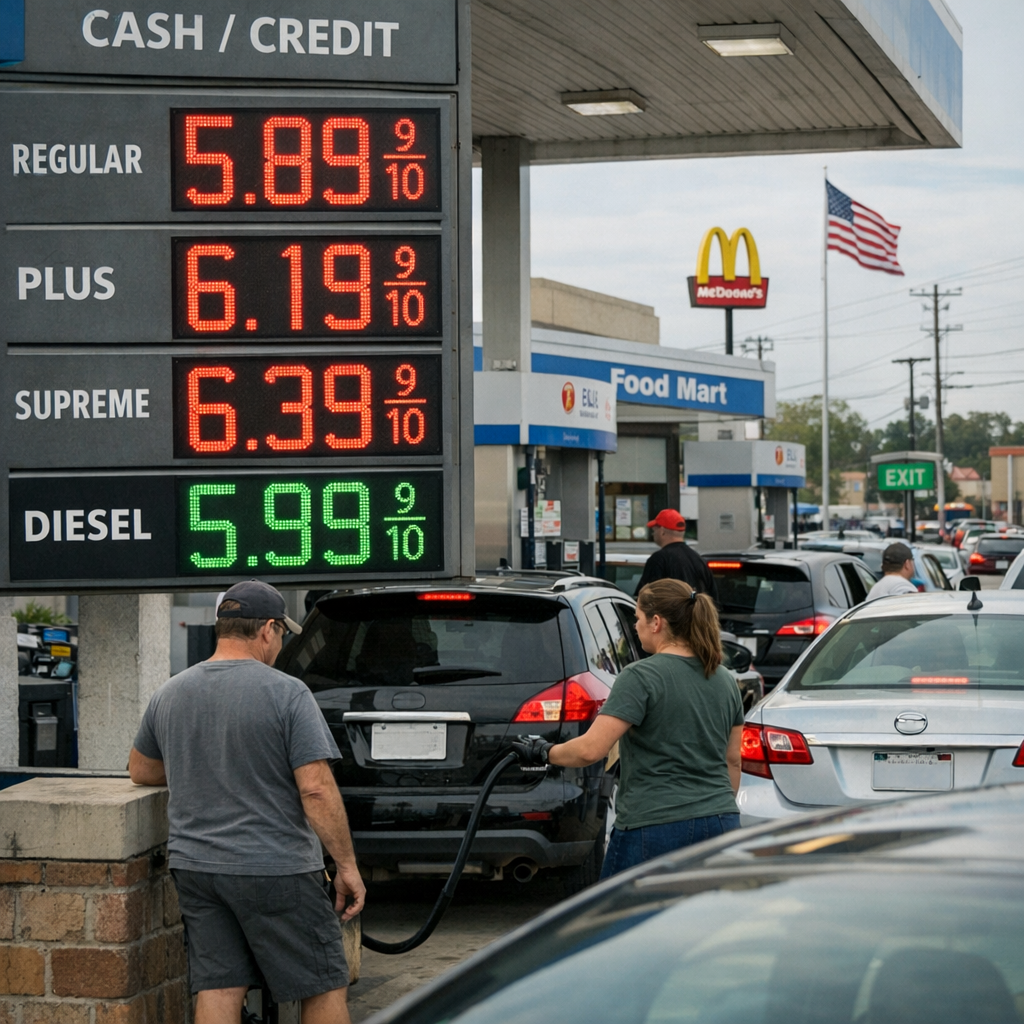
Recent data indicates a surge in inflation, with rates reaching 3.8% in April. This uptick is largely attributed to the ongoing conflict in Iran, which has driven gas prices above $4.50 per gallon. Consequently, consumer sentiment has plummeted to record lows, reflecting widespread concern over rising living costs and economic stability.
Employment and Wage Dynamics
For the first time in three years, wage growth has fallen behind inflation, diminishing the purchasing power of American workers. This trend has led to increased reliance on credit, as households strive to maintain their standard of living amidst escalating prices.
Political Climate and Public Sentiment
Public dissatisfaction with the current administration’s economic policies is mounting. A recent CNN poll revealed that 70% of Americans disapprove of President Trump’s handling of the economy. This discontent is further exacerbated by concerns over political stability and the health of democratic institutions.
Global Implications
The economic challenges faced by the U.S. have far-reaching effects on global markets, including those in Bangladesh. Fluctuations in U.S. economic performance can influence international trade, investment flows, and currency exchange rates, underscoring the interconnectedness of the global economy.
As the U.S. grapples with these multifaceted issues, the international community remains attentive to the potential ripple effects that may impact economies worldwide.