

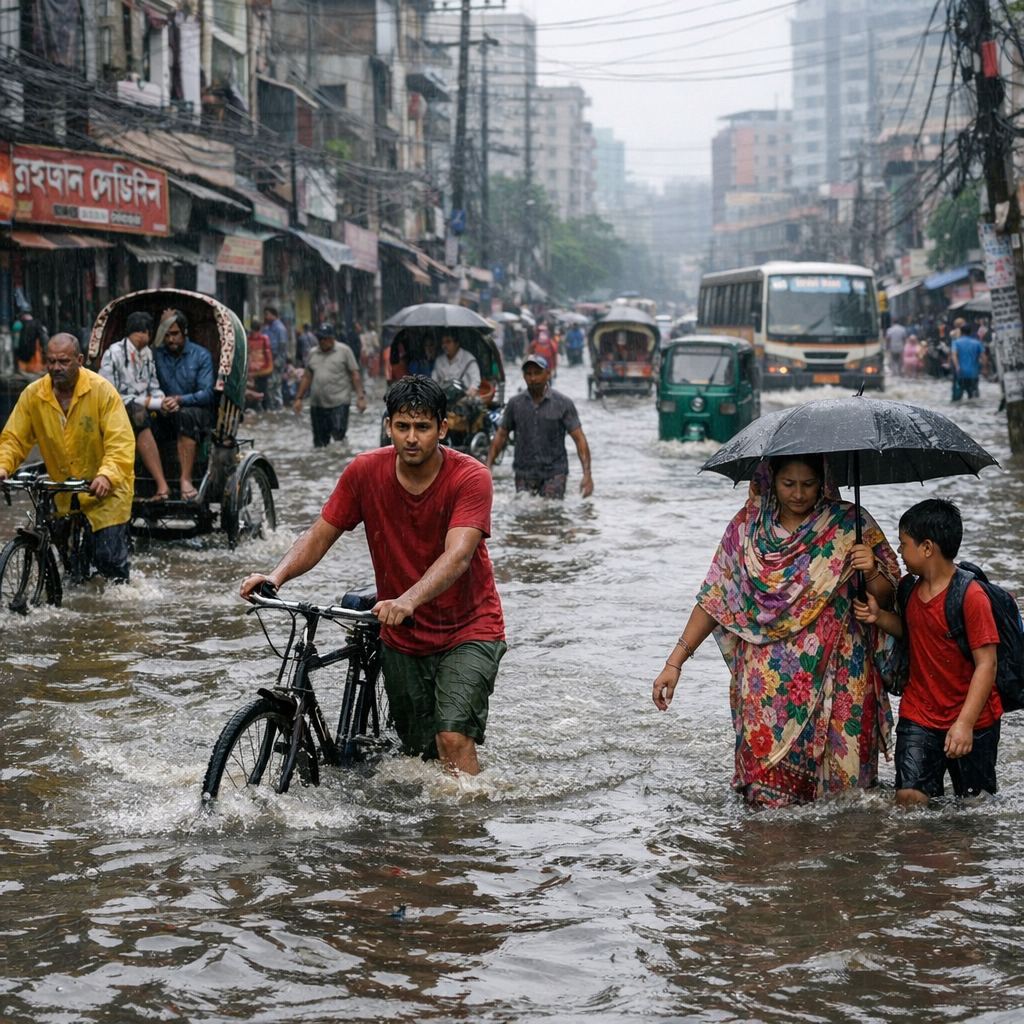
Dhaka, the vibrant capital of Bangladesh, is grappling with a series of escalating urban challenges that significantly impact the daily lives of its residents. From severe waterlogging and pollution to inadequate infrastructure and informal settlements, the city’s rapid growth has outpaced its capacity to provide essential services and maintain a livable environment.
Waterlogging and Drainage Issues
In recent years, Dhaka has experienced unprecedented waterlogging, even after moderate rainfall. Studies attribute this to clogged drains filled with polythene bags and the loss of natural canals due to encroachment. The city’s drainage system struggles to cope with the rapid urbanization and monsoon rains, leading to prolonged flooding that disrupts daily life and poses health risks. Efforts to excavate key encroached canals could potentially resolve up to 80% of the city’s waterlogging issues, highlighting the need for immediate action to restore and maintain these vital waterways.
Informal Settlements and Housing Challenges
Dhaka is home to approximately 5,000 informal settlements, housing over 1.8 million people. These areas are characterized by overcrowding and limited access to basic services like clean water, sanitation, and electricity. Residents often face insecure tenure, living in fear of eviction or loss of their homes to fire or floods. The lack of proper infrastructure and services in these settlements exacerbates health risks and social inequalities. Addressing the needs of these communities through inclusive urban planning is crucial for the city’s sustainable development.
Environmental Pollution and Public Health
The city confronts severe air and noise pollution, contaminated water, and mosquito infestations, all contributing to public health crises. Residents report increased respiratory issues due to poor air quality and frequent illnesses linked to unsafe water. The proliferation of mosquitoes, especially the Culex species, has led to a rise in vector-borne diseases. Comprehensive measures, including improved waste management, stricter pollution controls, and effective mosquito control programs, are essential to mitigate these health hazards.
Inadequate Infrastructure and Traffic Congestion
Dhaka’s infrastructure struggles to keep pace with its growing population. The city’s roads are often in disrepair, and ongoing renovations, such as those by the Dhaka Water Supply and Sewerage Authority (DWASA), have led to significant disruptions. Traffic congestion remains a persistent issue, with inadequate public transportation options forcing residents to endure long and unpredictable commutes. Modernizing and expanding the city’s infrastructure, including roads and public transit systems, is vital to improve mobility and quality of life.
Call for Sustainable Urban Planning
Addressing Dhaka’s urban challenges requires a holistic and sustainable approach to urban planning. Prioritizing the restoration of natural drainage systems, upgrading infrastructure, and ensuring the inclusion of informal settlements in development plans are critical steps. Collaborative efforts between government agencies, non-governmental organizations, and the community can lead to innovative solutions that promote resilience and sustainability. By focusing on comprehensive urban management and planning, Dhaka can transform its challenges into opportunities for growth and development, ensuring a better future for all its residents.