

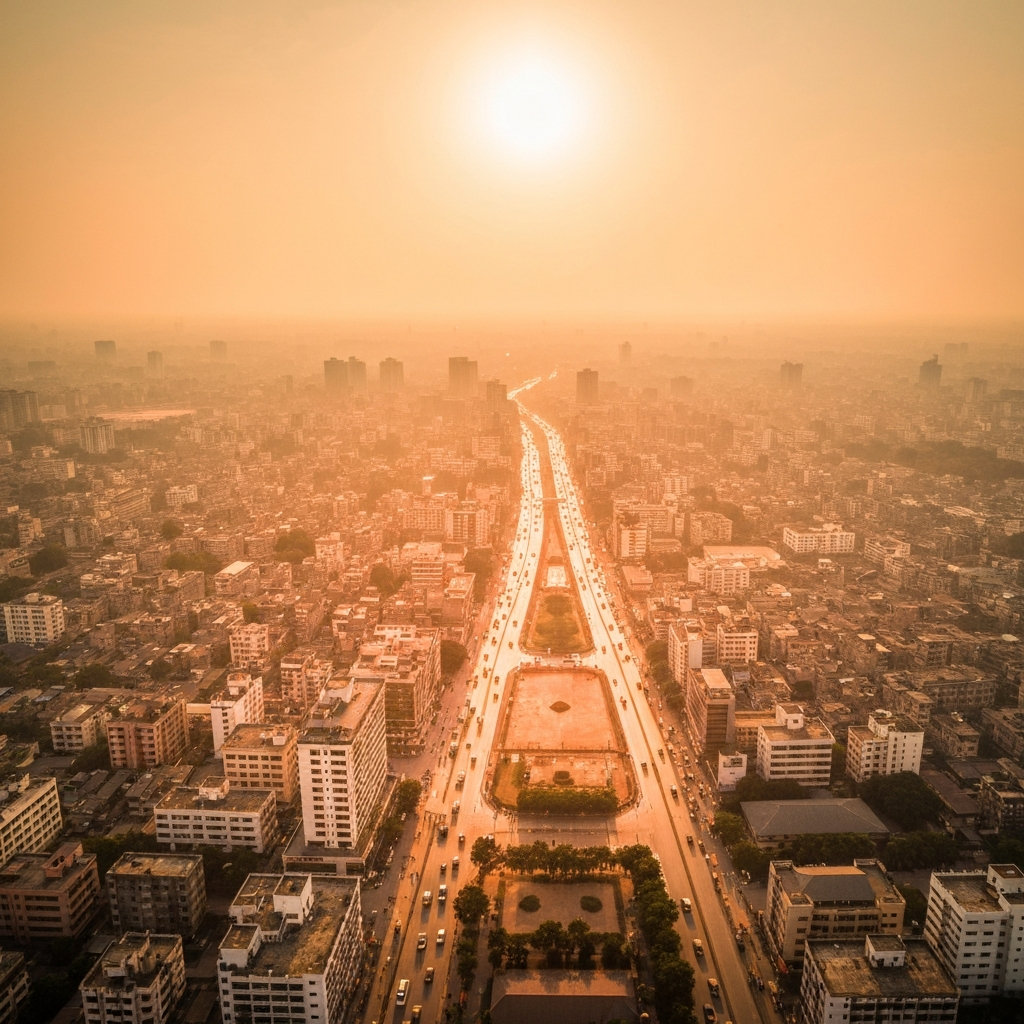
Dhaka, the capital of Bangladesh, is grappling with significant environmental challenges stemming from rapid urbanization and population growth. These issues include deteriorating air quality, increasing urban heat, and frequent waterlogging, all of which adversely affect the city’s livability and public health.
Air Pollution
Dhaka’s air quality has been consistently poor, often ranking among the worst globally. Major contributors include emissions from vehicles, industrial activities, and construction dust. A study highlighted that the city has experienced a 1.4°C increase in temperature over the past four decades, with a 47% reduction in dense greenery due to urban expansion, exacerbating the heat island effect.
Urban Heat
The loss of green spaces and the proliferation of concrete structures have intensified the urban heat island effect in Dhaka. This phenomenon leads to higher temperatures in urban areas compared to their rural surroundings, increasing energy consumption and posing health risks, particularly to vulnerable populations.
Waterlogging
Unplanned urbanization and inadequate drainage systems have made Dhaka susceptible to waterlogging during the monsoon season. Heavy rainfall often overwhelms the city’s drainage capacity, leading to flooded streets and homes, disrupting daily life, and posing health hazards.
Path Forward
Addressing these environmental challenges requires a multifaceted approach. Enhancing green spaces, enforcing environmental regulations, improving waste management, and investing in sustainable urban planning are crucial steps. Public awareness and community engagement are also vital in fostering a culture of environmental responsibility.
By implementing sustainable solutions, Dhaka can mitigate these environmental issues, improving the quality of life for its residents and setting an example for other rapidly urbanizing cities.